
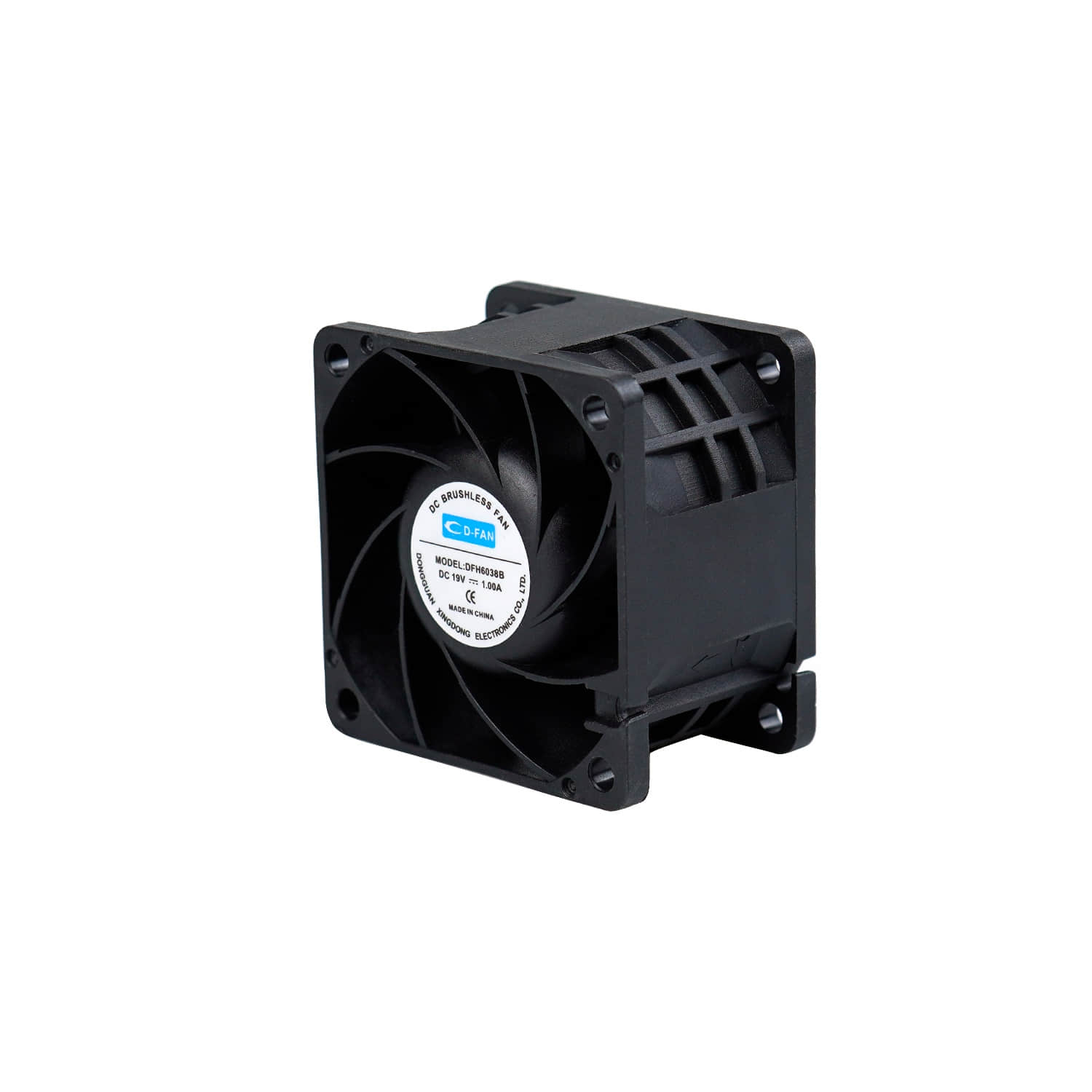
DC-Axialventilatoren werden hauptsächlich in der Absaugung von Sand- und Staubfeldern und anderen Orten eingesetzt; Mittelgroße Axialventilatoren werden hauptsächlich zur Belüftung und Wärmeableitung von Innenräumen eingesetzt, beispielsweise bei der Lagerung von Getreide usw. Kleine Axialventilatoren werden hauptsächlich zur Belüftung und Wärmeableitung mechanischer Geräte wie Schaltschränke usw. verwendet.

Wie funktioniert der DC-Axiallüfter für Schaltschränke?
Was sind die Hauptparameter des DC-Axialventilators für Schränke?
Was sind die Voraussetzungen für den Einsatz des DC-Axialventilators?
Wie funktioniert die DC-Axialventilator für Schaltschrankarbeiten?
The working principle of DC axial fans for cabinets is based on the right-hand Ampere’s Law. When a conductor passes through an electric current, a magnetic field is generated around it. When the conductor is brought into another fixed magnetic field, a suction or repulsion force is created, causing the object to move. Inside the fan blade of a DC fan, a rubber magnetic ring with magnetic pretensioning is installed and two coil sets are wound on a silicon steel sheet on the shaft. Hall sensing elements are used as synchronous detection devices to control some circuits. The two coils wound on the shaft work alternately. The silicon steel sheet produces different magnetic poles, and the magnetic poles and the rubber magnet produce attractive and repulsive forces. If the attractive and repulsive forces are greater than the static friction of the fan, the fan blades will rotate naturally. Since the reverberation sensor provides a synchronization signal, the fan blades can continue to operate and the direction of rotation can be determined according to the ampere-right hand rule.
Was sind die Hauptparameter von DC-Axialventilator für Schränke?
1. Current: The current consumed by the fan during normal operation is called operating current; the current consumed when the fan is switched on and blocked is called blocking current; the unit of current is “ampere”, expressed in “A”.
2. Speed: When the fan is running normally, the number of revolutions per minute of the blades is called speed, expressed in “RPM”.
3. Voltage. The voltage required for normal operation of the fan is called the operating voltage; the voltage required when the fan starts working is called the starting voltage. The unit of voltage is “Volt” and is expressed as “V”.
4. Power cord. The power cord required to turn on the fan. It can be unterminated, 2P-terminated, 3P-terminated and large 4P-terminated according to the customer’s requirements; usually, the length of the cable refers to the connection line outside the frame, in practice. The bus bar should be longer than the outer wire
Was sind die Voraussetzungen für die Nutzung des DC-Axialventilator?
The use of DC axial fan requires that the gas conveyed by the axial fan does not contain obvious dust, sticky and fibrous substances; the motor temperature does not exceed 40℃ for the directly connected type and 60℃ for the belt-driven type. The dust content in the conveyed gas shall not exceed 150mg/m3. axial flow fan is mainly composed of impeller, casing, motor and other components. Among them, the impeller and casing of corrosion-resistant DC axial fans are made of glass steel, while other types of DC axial fans are generally made of steel plates.
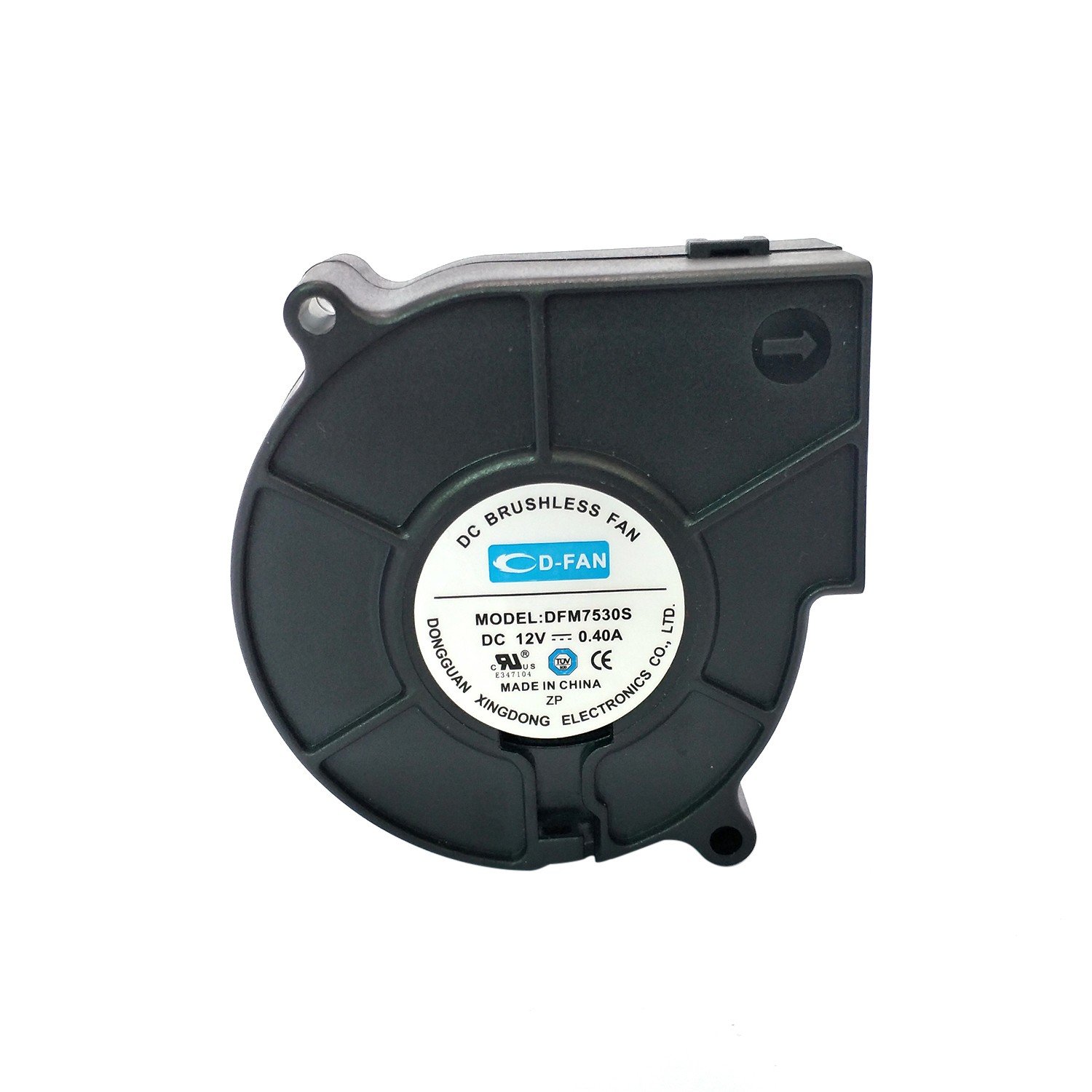
Dongguan Xingdong Electronics Co., Ltd. (hereinafter referred to as ‘Xingdong’) is a domestic high-tech company focused on customizing efficient fans. Its predecessor was founded in 2006 and is dedicated to research and development, production, sales and service of DC fans, DC fans, AC axial fans, EC axial fans, transverse flow fans and motors.

 German
  English
  French
  Japanese
  Italian
  Russian
  Spanish
  Panjabi
  Portuguese
  Korean
  Arabic